
The retail ecosystem in Pakistan is undergoing a massive digital transformation. Not too long ago, shopping was strictly a traditional, tactile experience. Families would dedicate entire weekends to navigating bustling local bazaars and crowded commercial centers to purchase clothing, electronics, and household goods.
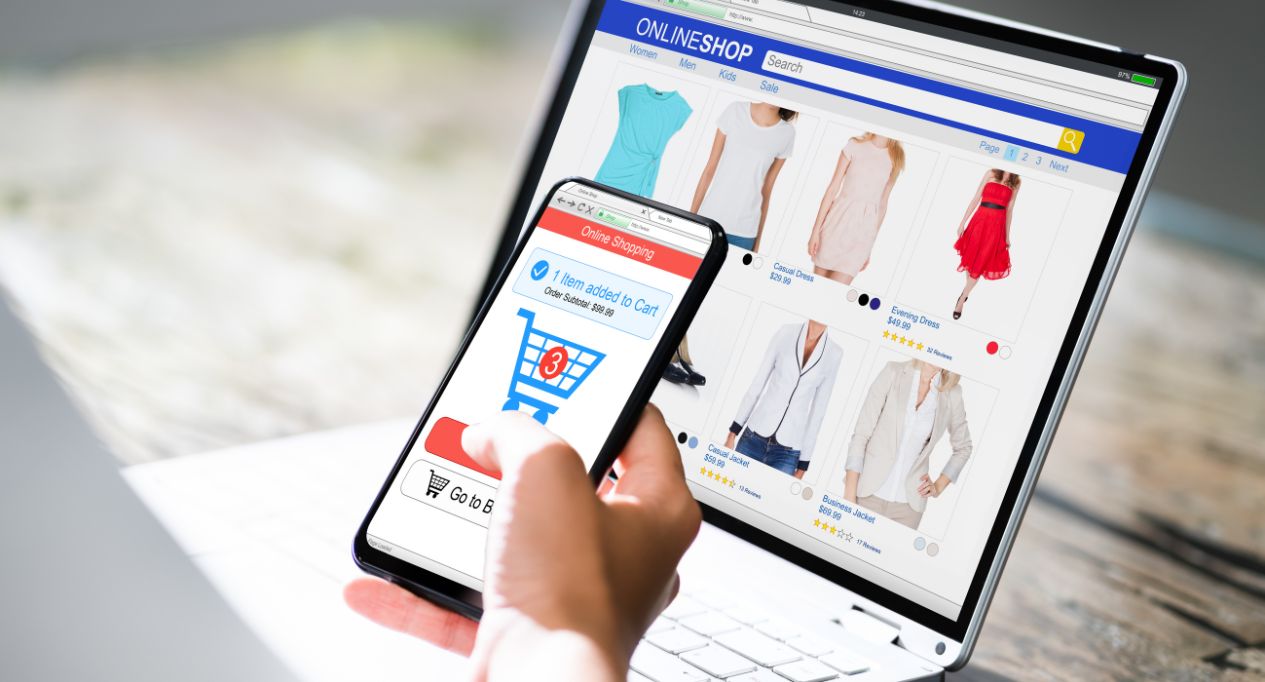
Today, a significant shift is taking place. Driven by a young, tech-savvy population, widespread smartphone penetration, and expanding internet connectivity, online shopping has transitioned from a niche convenience to a mainstream lifestyle choice in Pakistan. From metropolitan hubs like Karachi, Lahore, and Islamabad to smaller towns across the country, millions of Pakistani consumers are embracing the ease of digital retail.
The Key Drivers Behind the E-Commerce Boom
Several converging factors explain why online shopping has gained such massive traction across Pakistan over the last few years.
First and foremost is the rapid expansion of mobile internet infrastructure. The widespread availability of affordable 4G networks—and the ongoing rollout of 5G technologies—has connected millions of rural and urban citizens to the digital economy. With smartphones becoming highly accessible, a massive demographic of young Pakistanis has suddenly gained the ability to browse global and local marketplaces from their fingertips.
Secondly, changing urban lifestyles have made convenience a top priority. Busy professional schedules, traffic congestion in major cities, and the sheer effort required to visit multiple physical stores have made the prospect of home delivery incredibly appealing. The ability to order groceries, fashion, or gadgets while sitting at home saves consumers valuable time and energy.
Dominant Players in the Pakistani Digital Marketplace
The e-commerce landscape in Pakistan is diverse, featuring a mix of massive generalized marketplaces and highly successful niche platforms.
- Daraz: As the pioneer and largest online marketplace in the country, Daraz operates as the definitive digital mega-mall of Pakistan. It offers an extensive catalog ranging from electronics and home appliances to fashion and groceries. Its highly anticipated flagship sales events, such as the 11.11 single’s day sale, have become major cultural phenomena, breaking retail records annually.
- Brand-Specific E-Stores: Pakistan’s booming textile and fashion industry has embraced e-commerce exceptionally well. Renowned clothing brands like Khaadi, Sapphire, Junaid Jamshed, and Gul Ahmed have developed highly sophisticated online stores. These platforms allow consumers—both domestically and within the international Pakistani diaspora—to purchase the latest lawn collections and traditional wear without stepping into a physical outlet.
- Quick-Commerce and Grocery Apps: Platforms like Foodpanda (through Pandamart) and various local delivery startups have revolutionized daily essential shopping. Consumers in major cities can now order fresh produce, dairy, and household items and have them delivered to their doorsteps in less than an hour.
Overcoming the Cash-on-Delivery (COD) Reliance
One of the most unique aspects of online shopping in Pakistan is the payment methodology. Historically, a lack of trust in digital systems and low banking penetration meant that Cash-on-Delivery (COD) was the absolute king of e-commerce transactions, accounting for the vast majority of online orders.
While COD remains highly popular because it provides consumers with a sense of security—allowing them to physically verify a package before handing over money—the landscape is steadily shifting. The rise of digital wallets and mobile banking systems like Easypaisa, JazzCash, and NayaPay, alongside fintech initiatives like the government-backed Raast instant payment system, has made digital transactions seamless. More online shoppers are now opting for prepaid digital payments to take advantage of exclusive discounts, smoother checkout experiences, and contactless deliveries.
Challenges Facing the Market: Trust and Logistics
Despite the impressive growth, online shopping in Pakistan still faces hurdles that the industry is actively working to resolve.
The biggest challenge revolves around consumer trust. Issues regarding product quality, counterfeit items, or variance between online pictures and the actual product received (often colloquially referred to as the “expectation vs. reality” dilemma) can cause hesitation among older or more conservative shoppers.
Logistics also presents a complex challenge, particularly when delivering to remote or poorly mapped rural areas. E-commerce platforms are combating this by investing heavily in their own dedicated logistics wings, improving rider training, and simplifying return and refund policies to assure customers that their investments are fully protected.
Smart Tips for Online Shoppers in Pakistan
To ensure a safe and successful digital shopping experience in Pakistan, consumers should keep a few best practices in mind.
- Read Customer Reviews and Ratings: Always scroll down to look at reviews and real photos uploaded by previous buyers, especially on open marketplace platforms, to verify product quality.
- Utilize Official Brand Outlets: When buying premium electronics or designer clothing, try to shop directly from the brand’s official website or verified flagship stores on major marketplaces to avoid counterfeit goods.
- Keep an Eye on Seasonal Discounts: Take advantage of major sales events, such as Blessed Friday, Eid shopping festivals, and New Year sales, which offer substantial discounts and free shipping options.
Conclusion
The rise of online shopping in Pakistan represents a profound shift in consumer culture and economic structure. By bridging the gap between urban conveniences and rural accessibility, e-commerce has democratized retail across the nation. As logistics networks become more sophisticated, digital payment methods grow more secure, and consumer trust continues to strengthen, the virtual marketplace is set to become an even more deeply integrated part of everyday Pakistani life, promising a dynamic and highly accessible future for retail.
