
The retail landscape has undergone a monumental shift over the last decade. There was a time when the term “shopping store” immediately brought to mind a physical brick-and-mortar building. A place with glass windows, fluorescent lighting, and rows of shelves that consumers physically visited to buy goods.
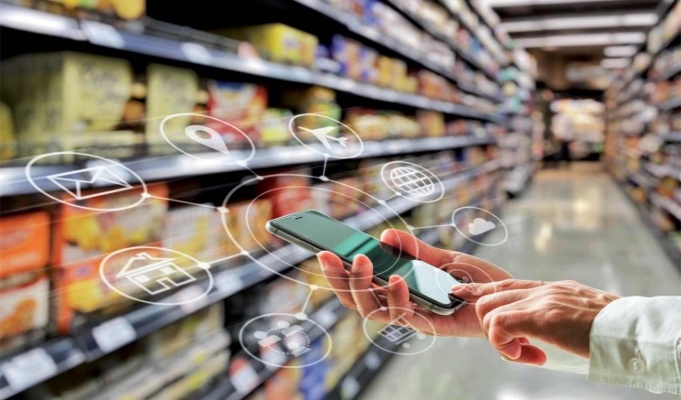
Today, the concept of a shopping store has expanded far beyond physical walls. It has transformed into a fluid, multi-dimensional ecosystem that encompasses massive brick-and-mortar experiential spaces. Global e-commerce platforms, and interactive mobile apps. To survive and thrive in this highly competitive era, modern shopping stores have had to completely reinvent how they attract, engage, and retain consumers.
The Rebirth of the Physical Retail Store
Despite the explosive growth of online shopping, physical retail stores are far from obsolete. Instead, they are experiencing a profound creative rebirth. In the modern retail environment, physical stores are no longer designed to serve as mere warehouses for inventory.
Today’s brick-and-mortar shopping stores have transformed into experiential showrooms and brand hubs. Retailers understand that consumers can buy almost anything online with a single click. Therefore, the physical store must offer something e-commerce cannot: sensory engagement and immediate gratification. Modern stores focus heavily on creating memorable environments, featuring interactive product demonstrations, in-store cafes, styling workshops, and personalized consultations. Consumers visit these spaces to connect with the brand’s lifestyle, touch the materials. And enjoy a social outing, turning the act of shopping into a form of leisure and entertainment.
The Power of Omnichannel Retail Systems
The most successful shopping stores do not force consumers to choose between physical and digital experiences. Instead, they pioneer what is known as “omnichannel retail,” seamlessly blending the two worlds into a unified journey.
A perfect example of this integration is the widespread adoption of services like BOPIS (Buy Online, Pick Up In-Store) and curbside pickup. A shopper can browse a store’s inventory via a mobile app while commuting, place an order. And drive by the local physical store to collect their items in a matter of minutes. Furthermore, modern storefronts utilize smart technology like digital mirrors in changing rooms, instant QR code scanning for product information. And centralized loyalty programs that track purchases whether they occur at a physical cash register or through a digital shopping cart. This flexibility ensures that the shopping store meets the consumer exactly where they are at any given moment.
Data-Driven Personalization and Smart Inventory
In the background of every major modern shopping store lies a highly sophisticated engine fueled by data analytics and artificial intelligence. Whether operating online or offline, retailers rely heavily on technology to understand consumer behavior and optimize their business operations.
For digital stores, AI algorithms track browsing histories, search patterns, and purchase frequencies to curate a completely unique storefront for every individual user. When you open a modern e-commerce application, the home page is tailored specifically to your tastes, displaying items you are highly likely to want. In the physical realm, advanced inventory tracking systems allow stores to predict localized demand with incredible accuracy. This minimizes out-of-stock situations and ensures that popular products are always available, maximizing operational efficiency and customer satisfaction.
The Focus on Sustainability and Conscious Stores
Modern consumers are increasingly value-conscious, caring deeply about the environmental and ethical impact of their purchasing decisions. In response, shopping stores are actively restructuring their business models to embrace sustainability and transparency.
Many forward-thinking retail stores now feature dedicated sections for ethically sourced goods. Cruelty-free beauty products, and clothing made from recycled textiles. Beyond the products themselves, physical stores are incorporating eco-friendly designs, utilizing energy-efficient LED lighting, reducing plastic packaging, and implementing automated trade-in or recycling drop-boxes. By aligning their business practices with the ecological values of their customer base, modern shopping stores are building deeper, more meaningful long-term relationships with their audiences.
Strategies for Savvy Shoppers to Maximize Value
Navigating the diverse world of modern shopping stores requires a few smart habits to ensure you get the absolute best experience and value:
- Download Store-Specific Applications: Many major retailers reserve their deepest discounts, early access sales, and loyalty reward programs exclusively for users who shop through their official mobile apps.
- Leverage the Showroom Technique: Visit a physical store to test the comfort, size, and quality of high-value items like electronics or furniture, then check the online storefront to see if there are better digital coupons or bundled deals available.
- Understand the Return Network: Opt for retailers that allow you to return items purchased online directly to their physical store locations, saving you the hassle and cost of return shipping labels.
Conclusion
The definition of a shopping store has permanently evolved into a dynamic hybrid model that synthesizes convenience with human connection. Whether it is a beautifully designed flagship boutique in a bustling city center or a highly intuitive e-commerce application operating globally, the core objective of the modern store remains unchanged: providing value, efficiency, and a satisfying consumer journey. By embracing advanced technological integration, omnichannel flexibility, and sustainable practices, the shopping stores of today are perfectly equipped to deliver a seamless and highly rewarding retail experience for generations to come.
