
Adding a shed to your property is one of the most practical investments a homeowner can make. Whether you need extra storage for lawnmowers and bicycles, a dedicated space for a backyard workshop, or a quiet home office away from the main house, a good shed provides the perfect solution.
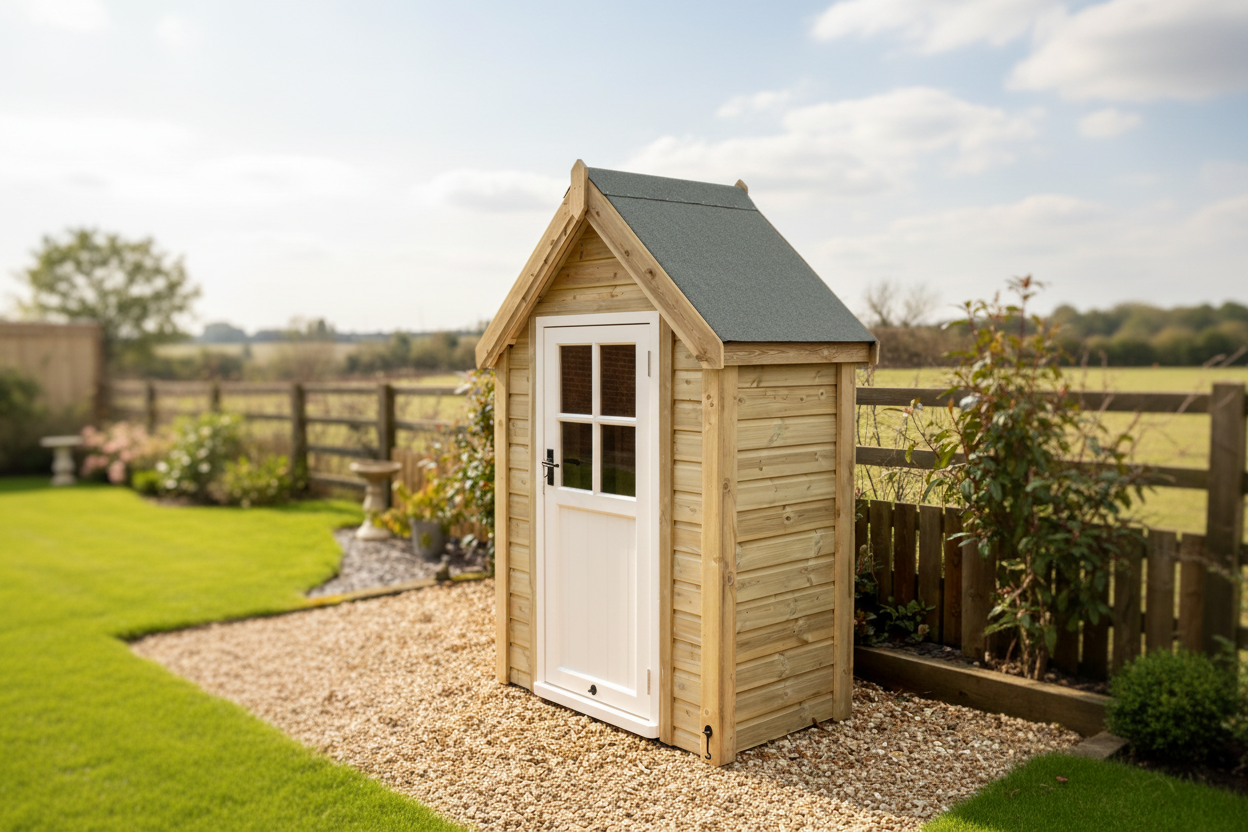
However, buying a shed is not as simple as picking a style you like and placing it in your yard. It is a significant financial investment that requires careful planning. Many buyers rush into the process and end up with a structure that does not meet their needs, deteriorates quickly, or even violates local regulations. To ensure you get the absolute best value for your money, here are the most critical mistakes to avoid when shed shopping.
Choosing the Wrong Size
Perhaps the most common error homeowners make is underestimating how much space they actually need. People often buy a shed based on the items they currently own, forgetting that storage needs naturally grow over time. A shed that feels perfectly spacious today can easily become overcrowded within a year or two as you acquire more tools, seasonal decorations, or outdoor gear.
Conversely, buying an excessively large shed without measuring your yard can overwhelm your outdoor living space and disrupt your landscaping. The best approach is to inventory everything you plan to store, estimate future acquisitions, and physically mark out the dimensions in your yard using stakes and string to visualize the footprint before making a purchase.
Ignoring Local Zoning Laws and HOA Rules
Before you spend a single dollar on a shed, you must research the legalities of placing a structure on your property. Many homeowners assume that because they own the land, they can build whatever they want. This assumption can lead to costly fines or a forced removal of the structure.
Many municipalities require a building permit for structures over a certain square footage. Additionally, zoning laws dictate “setback” requirements, which specify exactly how far the shed must be from property lines, fences, or your main house. If you live in a neighborhood governed by a Homeowners Association (HOA), there may also be strict rules regarding the shed’s height, color, roofing materials, and visibility from the street. Always secure the necessary approvals first.
Overlooking Foundation and Site Preparation
A shed is only as good as the foundation it sits on. Placing a new shed directly onto bare grass or uneven dirt is a recipe for disaster. Over time, the ground will shift, causing the structure to settle unevenly. When a shed settles, doors and windows misalign, locking mechanisms stop working, and the structural integrity becomes compromised.
Furthermore, direct contact with the ground exposes the wooden or metal base to constant moisture, leading to premature rot, rust, and mold. Spending the time and money to build a proper foundation—whether it is a leveled gravel pad, concrete blocks, or a poured concrete slab—is non-negotiable if you want your investment to last for decades.
Prioritizing the Lowest Price Over Material Quality
It is entirely natural to look for a good deal, but choosing the cheapest option on the market usually backfires. Low-cost sheds often utilize inferior materials like thin plastic, cheap particle board, or low-grade metal that warps, rusts, or leaks after just a few seasons of harsh weather.
When shopping, pay close attention to the materials. If you choose wood, ensure it is pressure-treated to resist insects and decay. If you opt for metal, look for rust-resistant galvanized steel. Remember that a higher upfront cost for premium, weather-resistant materials will save you thousands of dollars in repairs, maintenance, and replacement costs down the road.
Neglecting Accessibility and Functionality
A shed should not only look good from the outside; it must also be functional for daily use. A major mistake is forgetting to consider how you will actually get items in and out of the structure.
For instance, if you plan to store a riding lawnmower or large ATV, a standard single door will be far too narrow. You will need double doors and a sturdy ramp. Think about the internal height as well; if the walls are too low, you will be constantly hunching over, making the space uncomfortable to use. Additionally, consider workflow details like windows for natural light and ventilation options to prevent the interior from becoming a stifling, humid box during the summer months.
Conclusion
Shed shopping is an exciting project that can drastically improve your property’s organization and overall value. However, avoiding these common pitfalls requires looking past aesthetics and focusing on longevity, legality, and utility. By taking the time to accurately measure your space, understanding local regulations, preparing a solid foundation, and investing in high-quality materials, you can ensure that your new backyard shed serves as a durable, functional, and highly rewarding asset for many years to come.
