
The shopping mall has long been a staple of modern consumer culture. For decades, it served as the ultimate destination for weekend outings, family gatherings, and teenage social life. It was a place where retail therapy, dining, and entertainment converged under one massive, climate-controlled roof.
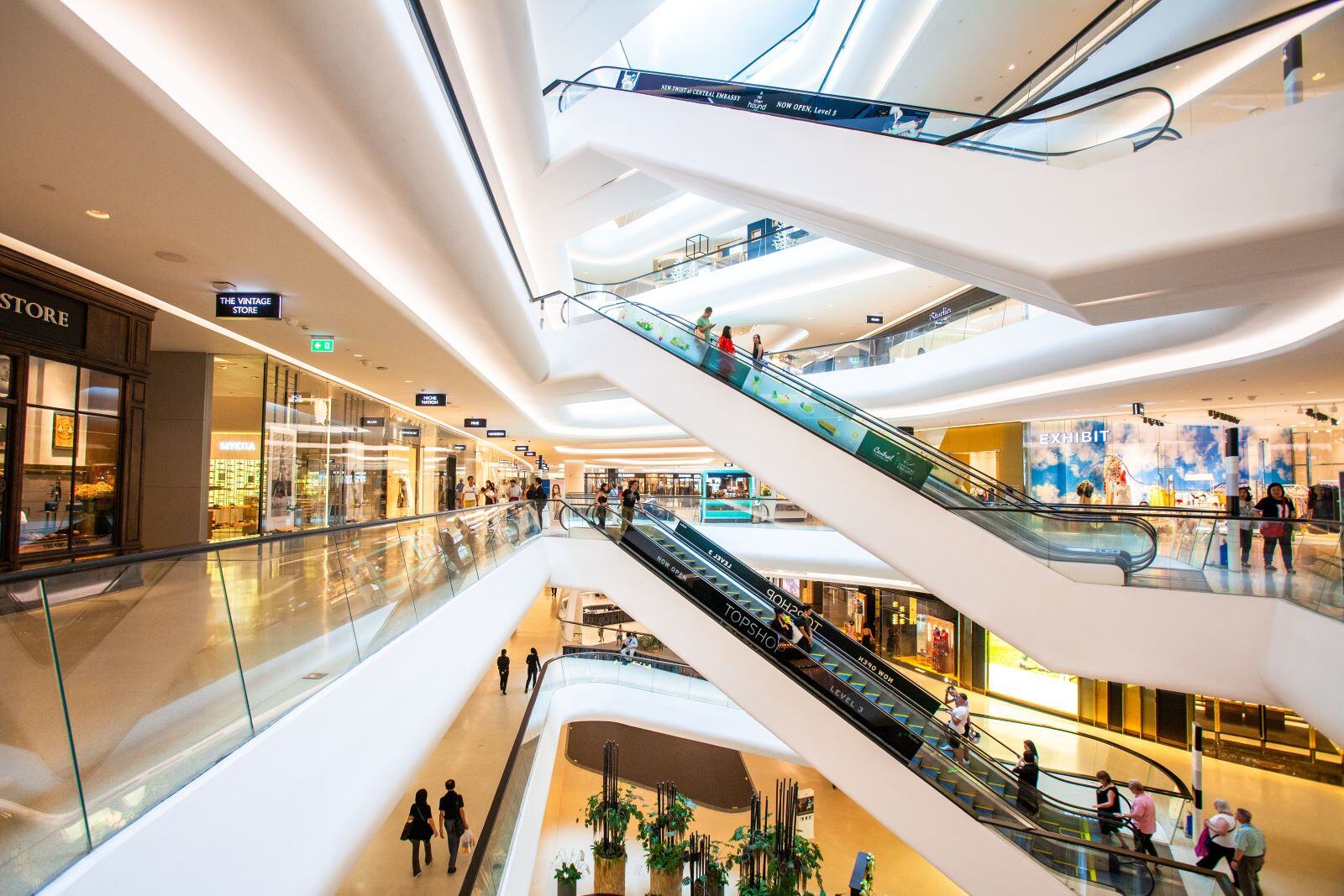
However, as e-commerce grew and digital marketplaces made buying goods as simple as tapping a smartphone screen. Many critics predicted the ultimate demise of the traditional shopping mall. Yet, instead of disappearing, the shopping mall has entered a fascinating era of reinvention. Today, the world’s most successful shopping malls are no longer just places to buy products. They have transformed into dynamic, lifestyle-driven experiential hubs.
The Historical Shift: From Warehouses to Lifestyle Centers
To understand the modern shopping mall, one must look at how its core purpose has evolved. The classic shopping mall design of the late twentieth century was highly functional. A long corridor anchored by massive department stores at either end, with smaller retail shops filling the space in between. The primary goal was to display as much merchandise as possible to a captive audience.
In the current retail landscape, that model has been completely turned on its head. Because consumers can purchase standard goods online within seconds. Physical malls have had to shift their focus from pure transactions to deep experiential engagement. Modern malls are being redesigned as lifestyle centers, featuring open-air architectural designs. Beautifully landscaped green spaces, natural lighting, and pedestrian-friendly walkways that mimic vibrant downtown districts.
Entertainment and Leisure as the New Anchors
The biggest transformation in the modern shopping mall is the replacement of traditional department stores with entertainment and leisure facilities. Malls are capturing foot traffic by offering experiences that simply cannot be replicated by a digital screen or delivered to a doorstep.
Walk into a premier shopping mall today, and you are likely to find high-tech amusement centers, luxury movie theaters with dine-in services, indoor climbing walls, ice-skating rinks, and even indoor theme parks or aquariums. Malls have become centers for social gathering and recreation. By providing diverse entertainment options, malls ensure that visitors stay longer, turn their shopping trips into full-day excursions, and naturally spend more across the surrounding retail and dining establishments.
The Culinary Revolution: Beyond the Food Court
Gone are the days when shopping mall dining was limited to a generic, neon-lit food court serving fast food on plastic trays. The culinary offerings within modern malls have undergone a massive upgrade, becoming a primary draw for visitors.
Today’s malls feature curated food halls, upscale fine-dining restaurants, artisanal cafes, and trendy dessert boutiques. International cuisines and celebrity-chef-backed restaurants frequently choose flagship shopping malls as their primary locations. By positioning high-quality dining experiences alongside retail shops, malls have successfully rebranded themselves as premier evening and weekend destinations for food lovers, capturing a massive demographic of consumers who prioritize socializing over basic product purchasing.
The Integration of Omnichannel and Digital Retail
The relationship between online shopping and physical malls is no longer adversarial; instead, it has become deeply collaborative. Modern shopping malls have successfully adapted by embracing technology to enhance the physical consumer journey.
Many digitally native brands that started entirely online are now opening physical showrooms within premier shopping malls to build deeper connections with their audiences. Furthermore, malls utilize centralized mobile applications to offer smart parking solutions, indoor navigation maps, and unified loyalty reward programs that track purchases across different retailers. Services like central curbside pickup stations allow consumers to buy items from multiple stores within the mall online and pick them all up at a single designated location, showcasing the perfect blend of digital convenience and physical infrastructure.
Strategies for Savvy Mall Shoppers
To get the absolute best out of your modern shopping mall experience, consider a few practical approaches:
- Check the Mall App Before Visiting: Many modern shopping malls host exclusive events, pop-up markets, and seasonal discounts that are only announced through their official digital directories or mobile applications.
- Visit During Off-Peak Hours: To enjoy a relaxed, crowd-free environment and secure hassle-free parking, plan your shopping and dining trips for weekday mornings or early afternoons.
- Combine Leisure with Errands: Take advantage of the comprehensive nature of modern malls by scheduling lifestyle appointments—such as salon visits, banking, or gym sessions—on the same day as your retail shopping to maximize your time.
Conclusion
The modern shopping mall has proven to be incredibly resilient by successfully adapting to the changing demands of global consumers. By shifting away from a pure product-transaction model and embracing experiential retail, luxury dining, interactive entertainment, and smart technological integration, the shopping mall has secured its place as an irreplaceable cornerstone of community life. It remains a vibrant space where people gather to connect, explore, and create lasting memories, promising a dynamic and highly engaging future for physical retail.
